


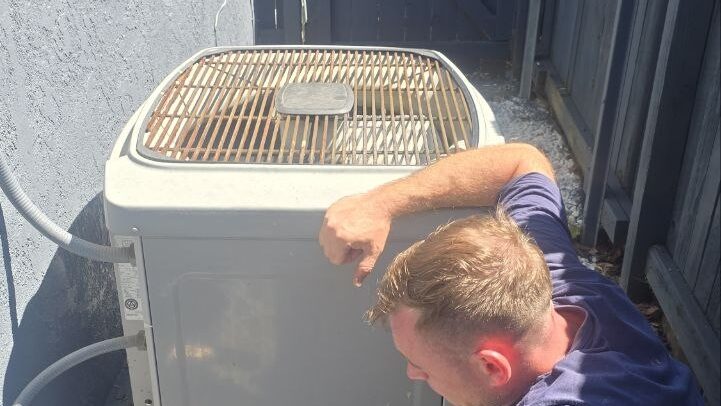
Heat pump pricing is hard to find online because the honest answer depends on the house more than the equipment. Two identical homes on the same street in Elk Grove can come in thousands apart. Here is the range, what moves a quote up or down, and what changed for 2026.
The range
For a typical 1,500 square foot Sacramento-area home, replacing a furnace and air conditioner with a single heat pump system lands in roughly the same band as a full conventional system: about $11,000 to $15,000 installed, before any rebate. That range comes from the same local 2026 cost guides our cost calculator starts from, and it assumes the duct work is usable and the electrical panel can carry the load.
A ductless mini-split for a single room or zone costs far less, and a whole-home multi-zone ductless system can cost more. Those are covered in mini-split installation cost.
What changed in 2026
Two things that used to shave thousands off a heat pump quote are no longer reliable:
- The federal tax credit ended. The IRS Energy Efficient Home Improvement Credit, worth up to $2,000 for a qualifying heat pump, covered installations through December 31, 2025.
- California’s HEEHRA income-based rebate is fully reserved. TECH Clean California reports single-family HEEHRA funds fully reserved statewide as of February 24, 2026, with new requests on a waitlist.
Utility rebates are now the main incentive, and SMUD’s program is the strongest in the region. Details are in heat pump tax credit 2026 and SMUD heat pump rebates. Any quote that still subtracts a federal credit from a 2026 installation is out of date.
The five things that move the price
1. System size
Capacity should come from a load calculation, not from matching the tonnage of the unit being removed. Sacramento tract homes are frequently oversized from the original build, and getting the size right can bring the price down rather than up.
2. Single stage, two stage or variable speed
A variable speed inverter heat pump costs more than a single stage unit. It runs quieter, holds temperature more evenly and dehumidifies better. Whether it pays back depends on how long you plan to stay and how much you value comfort, not only on the efficiency label.
3. The electrical panel
This is the surprise cost on heat pump jobs. Switching from a gas furnace to an all-electric heat pump, especially one with electric backup heat strips, adds electrical load. Older homes with small panels in Carmichael, Arden-Arcade and Citrus Heights sometimes need a panel upgrade, and that is not included in most base prices. Ask about it before you sign.
4. Duct work
A new heat pump on leaking, undersized duct work will not deliver what you paid for. If the ducts run through the attic and have never been sealed, sealing or partial replacement may be part of doing the job right. Our article on duct sealing versus replacement covers that cost separately.
5. Line set, pad and access
Reusing an old line set can save money, but only when it is the right size, clean and compatible. A new pad, a tight side yard, a second story air handler or an attic installation all add labor.
What should be in every quote
Whatever the number, a complete heat pump replacement in California should include:
- The outdoor unit and indoor air handler model numbers, listed separately
- The city or county permit
- HERS verification required under California’s energy code
- Refrigerant evacuation and a charge that is weighed in and verified
- Removal and disposal of the old equipment
- Manufacturer warranty registration, done for you
If any of those are missing, the low quote is not actually lower. Our guide on how to compare HVAC quotes goes through this line by line.
Repair or replace?
If your current heat pump is under about ten years old, most repairs are worth doing. Past about twelve to fifteen years, and especially with a failed compressor or a leaking coil, replacement usually makes more sense. Our articles on compressor replacement cost and heat pump not heating help with that decision.
How we quote
We run a load calculation, look at the panel, the ducts and the access before quoting, and put the equipment, the permit, HERS verification and warranty registration on the same page. Replacement estimates are free. For a range before we visit, use the cost calculator. Our heat pump services page covers installation in more detail, and heat pump versus furnace helps if you are still deciding.
Frequently asked questions
How much does it cost to replace a heat pump in Sacramento?
For a typical 1,500 square foot home, replacing a furnace and AC with a heat pump system runs roughly $11,000 to $15,000 installed before rebates, based on local 2026 cost guides. Panel upgrades, duct work and difficult access can push it higher.
Is there still a tax credit for heat pumps in 2026?
No federal one. The IRS heat pump credit covered installations through December 31, 2025. California’s HEEHRA rebate is fully reserved as of February 24, 2026. Utility programs, especially SMUD’s, are the main incentive now.
Will I need a new electrical panel for a heat pump?
Sometimes. Replacing a gas furnace with an all-electric heat pump, particularly one with backup heat strips, adds load. Older homes with small panels are the most likely to need an upgrade, which is usually priced separately.
Is a variable speed heat pump worth the extra cost?
It depends on how long you will stay and how much you value quiet operation and even temperatures. In Sacramento’s mild heating season the efficiency payback alone is slower than the brochures suggest, but the comfort difference is real.
Should I repair or replace my heat pump?
Under about ten years old, most repairs are worth doing. Past twelve to fifteen years, especially with a compressor failure or a coil leak, replacement usually makes more financial sense.
What should a heat pump quote include?
Separate model numbers for the outdoor and indoor units, the permit, California HERS verification, a verified refrigerant charge, removal of the old equipment and manufacturer warranty registration.